

Wondering how much is the disability pension per fortnight? Get clear answers on payment amounts, factors, and when to expect yours.
Thinking about disability pension payments can get a bit confusing, right? You might be wondering about the specifics, especially how much money you can expect to receive and when. This article aims to clear things up and answer that big question: how much is the disability pension per fortnight? We'll break down what it is, who gets it, and what might affect your payment amount. Let's get into it.
Key Takeaways
- A disability pension is financial support for people with a disability that stops them from working.
- Your eligibility and the amount you receive depend on several things, like your personal situation and how severe your disability is.
- To figure out how much is the disability pension per fortnight, you can use official government calculators or look at payment tier information.
- Payments usually come on a set schedule, but your first payment might take a little longer.
- Keeping your information up-to-date with the relevant agency is important to make sure you get the correct amount and any extra support you might need.
Understanding Your Disability Pension Payment
What Is A Disability Pension?
A disability pension is a payment made to people who have a disability that affects their ability to work. It's designed to provide financial support. This payment helps cover living costs when you can't earn an income due to your condition.
Who Qualifies For A Disability Pension?
To qualify for a disability pension, you generally need to meet specific criteria. This usually involves having a medical condition that prevents you from working. You'll likely need to provide medical evidence to support your claim. The exact rules can vary depending on the specific pension scheme you're applying for.
How Much Is The Disability Pension Per Fortnight?
The amount of disability pension you receive per fortnight depends on several factors. Generally, there's a base rate, but this can be adjusted based on your individual circumstances and the severity of your disability. Some pensions also have supplements or allowances that can increase the total payment. It's best to check with the relevant government agency or use their online tools for a precise figure.
Factors Influencing Your Pension Amount

Your disability pension amount isn't a one-size-fits-all number. Several things go into figuring out how much you'll get each fortnight. The main things that affect your payment are your personal situation and how much your disability impacts your life.
Your Individual Circumstances
This covers a lot of ground. It looks at things like your age, whether you have a partner, and if you have children or other dependents who rely on you. If you're married or living with someone, their income might also be considered. It's all about painting a full picture of your household and financial needs.
Level Of Disability
This is a big one. The more your disability affects your ability to work and your daily life, the higher your pension payment is likely to be. This isn't just about a diagnosis; it's about the practical impact the disability has. For example, someone who needs constant care and support will likely receive a different amount than someone with a less severe condition.
Other Income Sources
If you have other money coming in, like from investments, savings, or other benefits, this can affect your disability pension. The system often works on the idea that your disability pension is there to help with specific needs related to your disability, and it might be adjusted if you have other means to support yourself. It's not about penalizing you, but about making sure the support goes where it's needed most.
It's important to be upfront about all your income and assets. This helps make sure you get the correct payment and avoids any issues down the line. Honesty here is key to a smooth process.
Estimating Your Fortnightly Payment
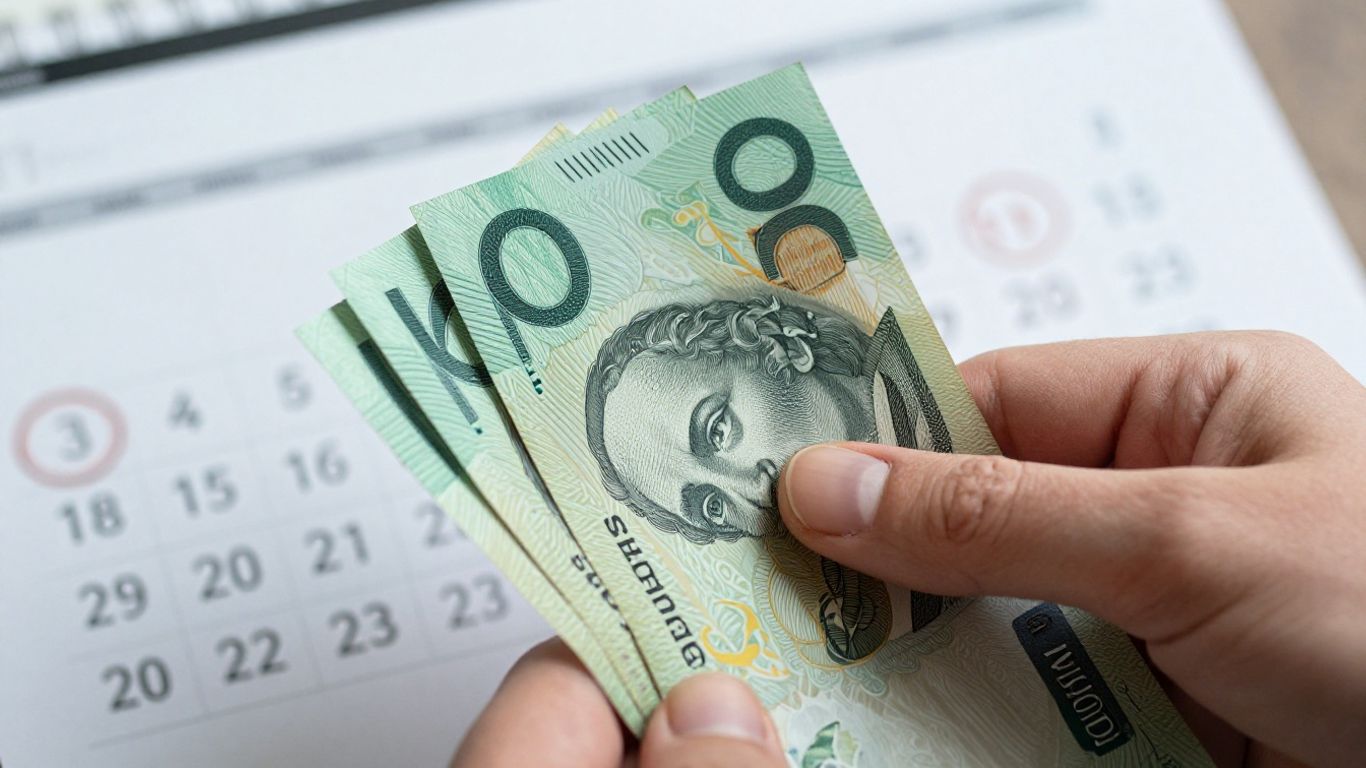
Figuring out how much you'll get for your disability pension each fortnight can feel a bit tricky. The exact amount depends on a few things specific to you. It's not a one-size-fits-all number. Let's break down how you can get a clearer picture.
Using Official Calculators
One of the best ways to get an estimate is to use the official calculators provided by the government agency that handles disability pensions. These tools are designed to take your personal details and give you a projected amount. You'll usually need information like your income, assets, and the nature of your disability. Think of it like using a GPS for your finances; it helps you see the route to your expected payment.
Understanding Payment Tiers
Disability pension payments often come in different tiers or rates. These aren't random; they're based on factors like your level of need and whether you have dependent children. For example, there might be a standard rate for individuals and a higher rate for those with significant care needs or a partner. It's worth looking into the specific tiers that might apply to your situation. This helps you understand why one person might receive a different amount than another, even if they both have a disability.
What To Expect In Your Bank Account
Once your pension is approved, it's usually paid directly into your bank account every two weeks. This regular payment schedule is designed to help you manage your living expenses. You'll receive a statement with each payment detailing how the amount was calculated. It's a good idea to keep these statements for your records. If you're also looking into other forms of support, like short-term disability insurance, make sure you understand how those payments interact with your pension.
It's important to remember that these are estimates until your claim is fully processed. The final amount can sometimes differ slightly from initial calculations. Always refer to the official correspondence you receive for the definitive figures.
When To Expect Your Disability Pension
Your disability pension payments usually arrive every two weeks. The exact day depends on when you first started receiving payments and any specific government schedules.
Payment Schedules
Disability pension payments are typically made on a set schedule, often every fortnight. This means you can generally expect your payment on the same day every two weeks. The government agency responsible for your pension will have a specific payment calendar. They usually send out information about this when you first get approved for benefits.
Receiving Your First Payment
Getting your first payment might take a little time after your application is approved. The agency needs to set up your account and process the initial payment. They'll let you know the estimated date for your first deposit. It's a good idea to have your bank account details ready and confirmed to avoid any delays.
Changes To Your Payment Cycle
Sometimes, your payment cycle might change. This could happen if there's a public holiday that falls on your usual payday, or if there's an administrative change by the paying agency. They will usually notify you in advance if your payment date is going to shift. It's always best to check your bank account around your usual payment time, just in case.
It's important to keep your contact information up-to-date with the agency. This way, you won't miss any important notifications about your payment schedule or any changes that might affect when you receive your money.
Maximizing Your Disability Pension
Making sure you get the most from your disability pension is about keeping things accurate and knowing what else is out there to help. Your disability pension payment is there to support you, and a few simple steps can help you get the most out of it.
Ensuring Accurate Information
It’s really important that the people who manage your pension have the right details about you. This means your personal information, like your address and contact number, should always be current. If your medical condition changes, you need to let them know. This isn't just about keeping records tidy; it directly affects how much you receive. For example, if your disability gets worse, you might be eligible for a higher payment. Keeping them in the loop means they can adjust your payments correctly and on time.
Exploring Additional Support
Your disability pension is a key part of your support system, but it might not be the only one. Depending on your situation, you could be eligible for other benefits or services. For instance, if you need specific equipment or home modifications, these might be covered through different programs. If you're working with a registered NDIS provider, they can often help you figure out what other supports are available. It’s worth asking them about things like transport assistance, therapy services, or help with daily living tasks. Sometimes, there are also community groups or charities that offer extra help.
Keeping Your Details Up To Date
Think of this as an ongoing task. Life changes, and so can your circumstances. If you start a new job, even part-time, or if your partner's income changes, this can affect your pension. It’s also important to update them if you move house or change your bank account. These updates help prevent any payment issues or delays. It’s a good idea to check in with the relevant government agency or your support coordinator at least once a year to make sure everything is still correct. This proactive approach helps you keep your financial support steady.
Navigating Changes To Your Pension
Life happens, and sometimes your situation changes. This can affect your disability pension. It's important to know what to do when these changes occur. Keeping your information up to date helps make sure you get the right amount of support.
Reporting Changes In Your Condition
If your disability gets better or worse, you need to let the relevant agency know. This is because your payment amount might need to be adjusted. For example, if your condition improves significantly, you might no longer qualify for the same level of support. Conversely, if your needs increase, you may be eligible for more assistance.
- Contact the agency that manages your pension.
- Explain how your condition has changed.
- Provide any new medical reports or documentation.
Understanding Review Processes
Sometimes, the agency will review your pension to make sure it still fits your current needs. This is a normal part of the process. They might ask you to provide updated information or attend an assessment. These reviews help them confirm that you are receiving the correct support.
Reviews are a way for the system to check that your pension still matches your disability and your support needs. It's not about taking something away, but about making sure the support is right for you right now.
What If Your Payment Decreases?
If a review or a change in your circumstances leads to a decrease in your pension payment, it can be upsetting. You have the right to understand why this happened. If you disagree with the decision, there are steps you can take.
- Ask for a detailed explanation of the decision.
- Check if you can ask for an internal review of the decision.
- If you're still not satisfied, you may be able to appeal the decision through a formal process.
Thinking about changes to your pension? It can feel like a lot to handle, but we're here to help you understand everything. Don't let pension changes stress you out. Visit our website today to learn more and get the support you need!
Wrapping Things Up
So, figuring out how much you get from a disability pension each fortnight can be a bit tricky. It's not a one-size-fits-all number, as it really depends on your specific situation and what benefits you qualify for. The best thing you can do is get the most up-to-date info directly from the source, like the government agency that handles these payments. Don't be afraid to ask questions if something isn't clear. Getting this sorted means you can plan your finances better and focus on what matters most.
Frequently Asked Questions
What exactly is a disability pension?
A disability pension is a type of financial help given to people who can't work or earn a living because of a health condition or disability. It's meant to help cover your living costs when you're unable to support yourself through work.
Who can get this kind of pension?
To get a disability pension, you usually need to show that your health condition or disability makes it really hard for you to do your job or find other work. There are specific rules about how much your condition affects your ability to earn money.
How much money do I get every two weeks?
The amount you receive can change a lot depending on your situation. It depends on things like how severe your disability is, if you have other money coming in, and specific government rules. It's not a one-size-fits-all amount.
Are there tools to help me figure out my payment amount?
Yes, often there are online calculators or government websites where you can input your details to get an estimate of how much you might receive. It's a good idea to check these official resources.
What if my health gets better or worse?
If your health condition changes, it's important to let the people who give you the pension know. They might need to review your payment. If your condition gets worse, you might get more help, but if it improves, your payment could change.
Can I get other help besides the pension?
Sometimes, yes! Depending on your needs and where you live, you might be able to get extra support services. For example, registered NDIS providers like Ausnew Support Services offer various types of help, such as assistance with daily living or community access, to complement your pension.