

Explore NDIS improved daily living examples for independence. Learn about personal care, household tasks, community access, and skill development.
So, you're looking into how the NDIS can help with everyday life? It's all about making things a bit easier and giving you more control. Think of it as support to help you do more of what you want, when you want. This article breaks down some common ways the NDIS can help with daily living, covering everything from personal care to getting out and about in the community. We'll explore some ndis improved daily living examples to give you a clearer picture.
Key Takeaways
NDIS Improved Daily Living support focuses on practical help to boost your independence and quality of life.
This support can cover personal care like showering and dressing, as well as household tasks such as cleaning and shopping.
It also includes help to get involved in community activities and build social connections.
Learning new skills, like managing a budget or using public transport, is another area where the NDIS can provide assistance.
Understanding how different supports, like Supported Independent Living (SIL) and Specialist Disability Accommodation (SDA), fit into your plan is key to getting the most out of your NDIS funding.
Understanding NDIS Improved Daily Living Support
What Does 'Improved Daily Living' Mean?
This part of your NDIS plan is all about helping you do more things for yourself each day. It focuses on supports that help you build skills and independence. The goal is to make your everyday life easier and more fulfilling. It's about increasing your ability to manage tasks and participate in your community.
How NDIS Daily Living Supports Enhance Independence
These supports are designed to help you gain confidence and learn new ways to handle daily tasks. Think of them as stepping stones. They can help you rely less on others for things you want to do. This could mean learning to cook a meal, manage your budget, or get around town on your own. The idea is to build your capacity over time.
Examples of NDIS Improved Daily Living Support
There are many ways these supports can help. They can be very personal, focusing on things like personal care or household chores. They can also be about getting out and about, like joining social groups or attending appointments. Sometimes, it involves learning specific skills. Here are a few examples:
Personal Care: Help with showering, dressing, or grooming.
Household Tasks: Support with cleaning, laundry, or shopping.
Skill Development: Learning to budget, cook, or use public transport.
Community Access: Assistance to participate in social or recreational activities.
Supported Independent Living (SIL): Help with daily tasks in your own home or a shared living arrangement.
Personal Care and Daily Tasks
Personal care and daily tasks are the building blocks for a good day. These are the everyday activities that help you stay healthy, comfortable, and independent. The National Disability Insurance Scheme (NDIS) can help fund support for these tasks if they relate to your disability. This means you can get help with things that might be difficult for you to do on your own.
Assistance with Personal Hygiene
Personal hygiene is all about keeping yourself clean and healthy. This includes things like showering, bathing, brushing your teeth, and using the toilet. If these tasks are challenging due to your disability, a support worker can assist you. They can help with as much or as little as you need, respecting your privacy and dignity at all times. The goal is to help you feel good about yourself and maintain your health.
Support with Meal Preparation and Eating
Getting the right nutrition is important for everyone. Support with meal preparation can mean a lot of different things. It could be help with planning meals, doing the grocery shopping, cooking, or even just assistance with eating if that's a challenge. A support worker can help you prepare meals that you enjoy and that meet your dietary needs. They can also ensure you have the right equipment or support to eat safely and comfortably.
Help with Dressing and Grooming
Getting dressed and ready for the day can sometimes be tricky. This support covers choosing clothes, putting them on, and making sure you look and feel your best. It also includes grooming activities like shaving or applying makeup. A support worker can help you with these tasks in a way that respects your personal preferences and routines. The focus is always on supporting your independence and comfort.
These supports are about more than just getting tasks done. They are about maintaining your dignity, promoting your well-being, and helping you feel confident in your daily life. Registered NDIS providers can offer these services tailored to your specific needs and goals.
Home and Household Management
Keeping your home running smoothly is a big part of living independently. This includes everything from cleaning and laundry to managing your shopping and making sure your living space is safe and comfortable. These tasks might seem simple, but they are key to maintaining your quality of life and autonomy.
Support with Cleaning and Laundry
Maintaining a clean home environment can make a big difference in your daily comfort and well-being. Support can be provided to help with regular cleaning tasks, such as vacuuming, dusting, and tidying up. Laundry support can also be arranged, covering washing, drying, and putting clothes away. The goal is to ensure your home is a pleasant and hygienic place to be.
Assistance with Shopping and Errands
Getting groceries, picking up prescriptions, or running other essential errands can be challenging. Assistance can be provided to help you create shopping lists, travel to the shops, and carry out your purchases. This support can also extend to other errands, like going to the post office or attending to other personal tasks outside the home, helping you stay connected and manage your responsibilities.
Managing Your Home Environment
This involves ensuring your home is a safe and functional space for you. It could mean organising your belongings so they are easy to access, or making small adjustments to improve safety, like ensuring pathways are clear. For some, it might involve help with basic home maintenance or ensuring assistive technology in the home is working correctly. The focus is on making your home work best for your individual needs and preferences, contributing to a sense of security and control over your living space. Learning how to structure your day and manage tasks effectively is a big part of this improved daily living skills.
Taking care of your home environment is about more than just chores; it's about creating a space where you feel comfortable, safe, and in control. This can involve simple organisation or more involved adjustments, all aimed at supporting your independence.
Community Access and Social Participation
Engaging in Social and Recreational Activities
Getting out and about is a big part of living a full life. Community access supports help you do just that. These supports are about connecting with your community, whether that's through hobbies, events, or just spending time with friends. A registered NDIS provider can help you find activities you enjoy and make sure you have the support to get there and participate.
Think about joining a local sports club, attending a concert, visiting a museum, or even just meeting up for coffee. These experiences help reduce feelings of isolation and build a stronger sense of belonging. Your NDIS plan can fund supports that help you explore these opportunities.
Attending Appointments and Errands
Managing appointments and everyday errands can be challenging. NDIS supports can help you get to medical appointments, therapy sessions, or even just the grocery store. This assistance ensures you can manage your health and daily needs without relying solely on family or friends.
Having support for these tasks means you can maintain your independence and keep up with important commitments. It's about having reliable help when you need it, making life a bit smoother.
Developing Social Connections and Networks
Building and keeping relationships is important for everyone. Community access supports can help you connect with others who share your interests. This might involve joining a group, attending social events, or simply having a support worker help you meet new people.
These connections can lead to friendships and a broader support network. It's about feeling more connected and less alone. Your NDIS plan can include supports to help you build these meaningful relationships.
Skill Development for Greater Independence
Learning new skills can make a big difference in your day-to-day life. The NDIS can help you build confidence and capability. This support focuses on teaching you practical skills that help you do more for yourself. It's all about growing your independence and improving your quality of life.
Learning Life Skills Like Budgeting and Cooking
Managing your money and preparing your own meals are important life skills. With NDIS support, you can learn how to create a budget that works for you. You can also get help learning cooking techniques, from simple recipes to more complex meals. This means you can eat healthier and manage your finances better.
Budgeting: Understanding income, expenses, and saving goals.
Meal Planning: Creating weekly menus and shopping lists.
Cooking: Learning basic cooking methods and food safety.
Nutrition: Understanding balanced meals and healthy eating habits.
Using Public Transport Independently
Getting around can be a challenge, but learning to use public transport can open up new possibilities. NDIS support can help you learn how to plan a trip, read timetables, and navigate bus or train routes. You can practice with a support worker until you feel comfortable travelling on your own. This can lead to greater freedom and access to your community.
Supported Transitions to Employment or Education
If you're looking to start a new job or pursue further education, the NDIS can provide support. This might include help with resume writing, interview practice, or developing skills needed for a specific role or course. The goal is to help you achieve your career or study aspirations and build a fulfilling future. NDIS Support Coordination can be a great way to get help with these transitions.
Specialist Support for Specific Needs
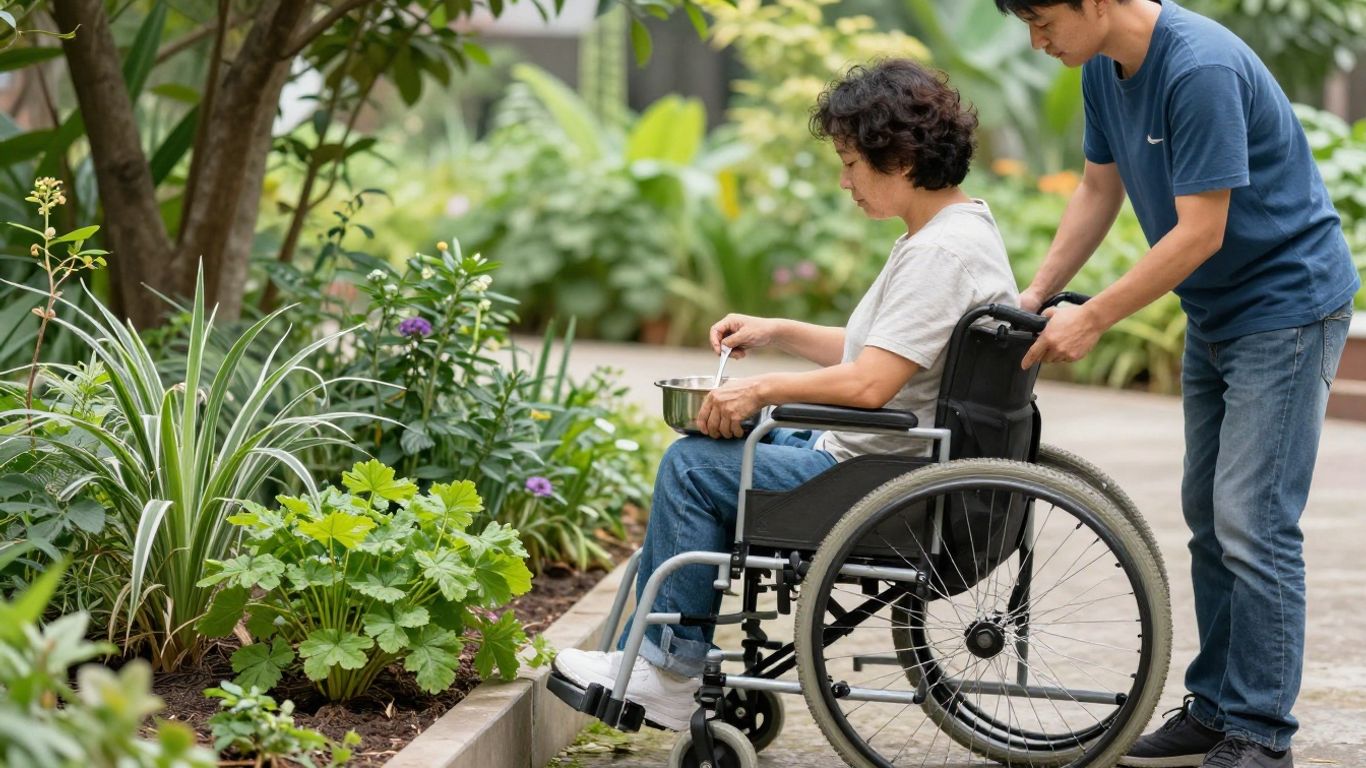
Sometimes, daily living requires support that goes beyond the usual. This is where specialist NDIS supports come in, offering tailored help for particular needs. These services are designed to make sure everyone can live as independently and comfortably as possible, no matter their situation.
Supported Independent Living (SIL) Examples
Supported Independent Living, or SIL, is about getting help with daily tasks in your own home, whether you live alone or with others. It's not about the building itself, but the support workers who help you. Think of it as having a team that assists with things like personal care, cooking, cleaning, and managing your household. The amount of SIL funding you get is based on your individual needs and how much support you require each day. It's all about making sure you have the right help to live your life your way.
Specialist Disability Accommodation (SDA) Integration
Specialist Disability Accommodation, or SDA, is about the actual housing. It refers to homes that are designed or modified to meet the needs of people with very specific and high support requirements. There are different types of SDA, like those built for people with high physical support needs, or those designed for people with sensory or cognitive disabilities. SDA funding is separate from SIL funding and helps pay for the cost of this specialized housing. It's important to know that SDA is about the building, while SIL is about the support you receive within that building.
Assistance with Medication Management
For some people, managing medications can be a challenge. This can include remembering to take them at the right time, knowing the correct dosage, or even physically administering them. NDIS supports can include help with medication management. This might involve a support worker reminding you to take your pills, helping you organize your medication schedule, or assisting you with taking them. The goal is to ensure you take your medication safely and correctly, which is a big part of staying healthy and independent.
Making the Most of Your NDIS Plan

Your NDIS plan is a roadmap to achieving your goals. It outlines the supports you need to live more independently and improve your quality of life. Thinking about how the "Improved Daily Living" supports fit into your bigger picture is key. These supports are all about building your skills and confidence for everyday tasks.
How NDIS Improved Daily Living Examples Fit Your Goals
Improved Daily Living supports are designed to help you do more things for yourself. They are not meant to be a permanent solution, but rather a way to build your capacity over time. When you look at the examples of these supports, think about which ones directly relate to what you want to achieve. For instance, if your goal is to cook more meals at home, then support with meal preparation and learning life skills like cooking would be a good fit. It’s about connecting the dots between the support and your personal aspirations.
Finding the Right Support Providers
Choosing the right registered NDIS provider is important. You want providers who understand your goals and can offer the specific support you need. Look for providers who communicate clearly and have experience with the types of Improved Daily Living supports you are interested in. Don't hesitate to ask questions about their services and how they can help you reach your objectives. A good provider will work with you to create a plan that makes sense for your life.
Navigating Your NDIS Plan for Daily Living Support
Understanding your NDIS plan means knowing what supports are available and how they are funded. Improved Daily Living supports generally come from your Core budget, under the 'Daily Activities' category. This might include things like personal care, household tasks, and community access. Sometimes, more specialized supports, like Supported Independent Living (SIL) or Specialist Disability Accommodation (SDA), are funded separately but work alongside your daily living supports. It’s helpful to talk this through with your Support Coordinator or Plan Manager if you have one. They can help you understand how to use your funding effectively to get the most out of your plan.
Remember, the NDIS is about giving you choice and control. Your plan is flexible and should be reviewed regularly to make sure it still meets your needs as they change.
Getting the most out of your NDIS plan can feel like a puzzle, but it doesn't have to be! We're here to help you understand how to use your plan effectively so you can reach your goals. Ready to make your NDIS plan work for you? Visit our website today for more tips and resources!
Wrapping Up: Living Your Best Life with NDIS Support
So, we've talked a lot about how NDIS supports can really change things for people. It's not just about getting help with everyday tasks, though that's a big part of it. It's about having the freedom to do more, to connect with others, and to live life on your own terms. Whether it's getting out into the community, having the right place to live, or just having someone there to lend a hand when you need it, these supports make a real difference. The goal is always to help you live more independently and enjoy life more. It’s about making things happen for you.
Frequently Asked Questions
What is NDIS Improved Daily Living support?
NDIS Improved Daily Living support is a group of services funded by the National Disability Insurance Scheme. These services help people with disability become more independent by supporting them with everyday tasks at home and in the community.
Who can get Improved Daily Living support under the NDIS?
Anyone who is an NDIS participant and needs help with daily tasks because of their disability may be able to get Improved Daily Living support. Your needs and goals are discussed in your NDIS planning meeting.
What are some examples of Improved Daily Living supports?
Examples include help with personal care (like showering and dressing), meal preparation, cleaning, doing laundry, going shopping, learning life skills, using public transport, and taking part in social activities.
How does Improved Daily Living support help me become more independent?
These supports are designed to teach you new skills and build your confidence. Over time, you may be able to do more things on your own with less help from others.
Can I choose my own support provider for Improved Daily Living services?
Yes, you can choose a registered NDIS provider that suits your needs. For example, Ausnew Support Services offers a range of daily living supports across Greater Sydney, Coffs Harbour, Geelong, and South East Queensland.
How do I include Improved Daily Living supports in my NDIS plan?
Talk to your NDIS planner or support coordinator about your daily needs and what you want to achieve. They can help you include these supports in your plan and find the right services for you.