Discover fun and engaging activities for people with disabilities. Explore outdoor adventures, creative arts, tech, and more!
Finding fun things to do that everyone can enjoy is important. It's not always easy, but there are tons of great activities out there for people with disabilities. Whether you're looking for something outdoors, creative, or just a way to connect with others, there are options. This article explores some engaging activities for people with disabilities, aiming to make fun accessible for all.
Key Takeaways
- Outdoor activities like wheelchair-friendly park explorations and adaptive sports offer great ways to enjoy nature and stay active.
- Creative arts, including inclusive workshops and music sessions, provide avenues for self-expression and enjoyment.
- Technology opens doors to new experiences, from accessible gaming to online learning and social connections.
- Community events and group gatherings, like inclusive fairs and book clubs, are perfect for meeting people and having fun together.
- Fitness and wellness programs, such as adaptive yoga and seated classes, support health and well-being for everyone.
Accessible Outdoor Adventures
Getting outside can be great for everyone, and there are lots of ways to enjoy the outdoors no matter your ability. Exploring nature and staying active can boost your mood and overall well-being. It's all about finding the right activities and making sure they work for you.
Exploring Wheelchair-Friendly Parks
Many parks now have paths and facilities designed for wheelchairs. You can find accessible picnic areas, smooth walking trails, and even playgrounds with special equipment. These parks make it easier for everyone to enjoy a day out in nature. Look for parks with paved or hard-packed gravel paths. These are usually the best for wheelchairs and mobility scooters. Some parks even have accessible restrooms and parking close to the main attractions. It's worth checking the park's website before you go to see what features they offer. You might be surprised at how much is available. Many local councils list accessible parks on their websites, which can be a good starting point. You can also find information on wheelchair-friendly places to visit on sites dedicated to accessible travel. This can help you plan a fun day out without worrying about getting around.
Adaptive Sports and Recreation
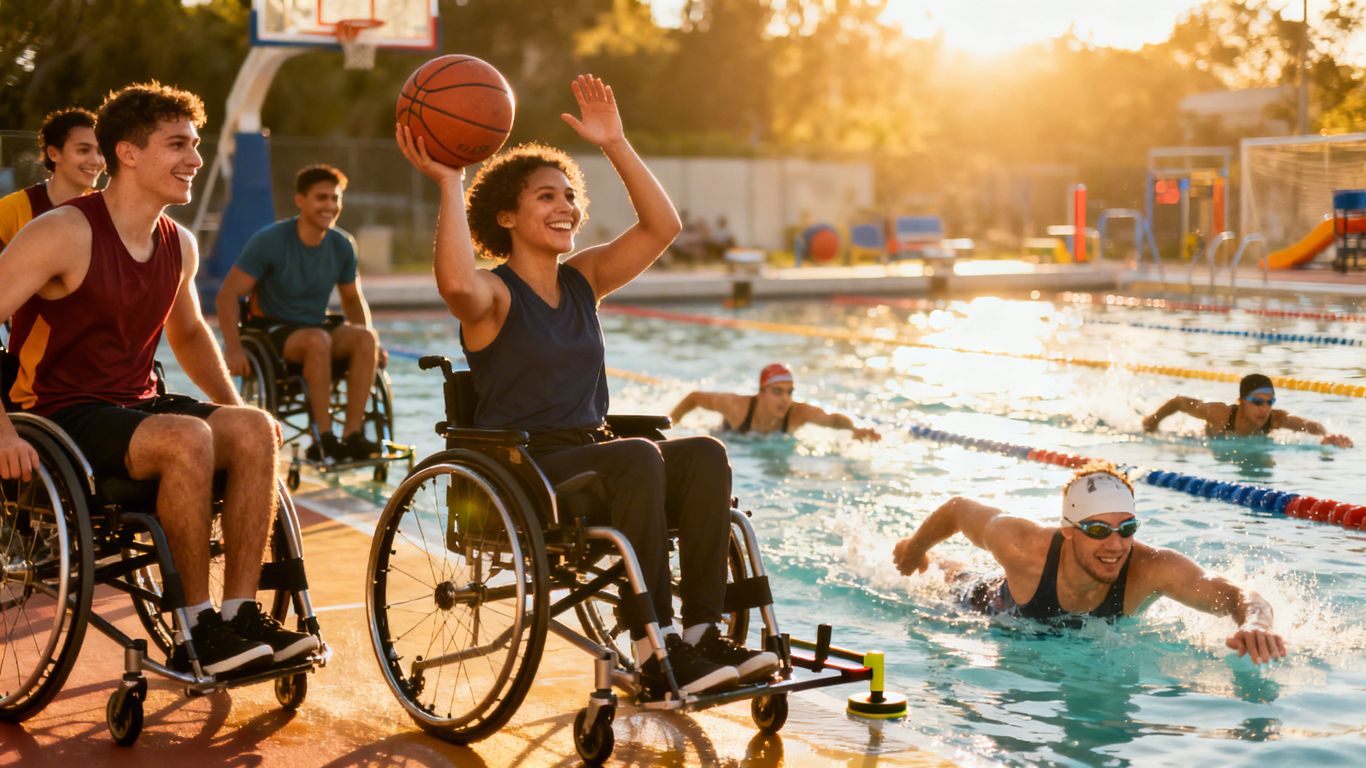
Adaptive sports are modified versions of traditional sports to suit people with disabilities. Think about wheelchair basketball, adaptive surfing, or even boccia. These activities are not only fun but also great for physical fitness and building confidence. Many community groups and registered NDIS providers offer adaptive sports programs. They often have specialized equipment and trained staff to help you get involved. It's a fantastic way to meet new people and try something exciting. You can often find local clubs or centers that focus on specific adaptive sports. They usually have introductory sessions where you can try it out before committing. This is a great way to see if it's something you'd enjoy. Some programs are run by organizations that focus on specific disabilities, while others are more general. The key is to find a program that fits your interests and needs.
Nature Walks With Mobility Support
Even if you use a mobility aid, you can still enjoy nature walks. Look for trails that are relatively flat and have a firm surface. Some parks have designated accessible trails that are specifically maintained for easier access. You might also consider guided nature walks. These often have leaders who are knowledgeable about the terrain and can provide assistance. Bringing a friend or family member along can also make the walk more enjoyable and provide extra support. If you're using a wheelchair, look for trails that are wide enough and don't have too many steep inclines. For those who use walkers or crutches, a stable, even surface is important. Sometimes, a simple walk in a local park can be just as rewarding as a hike in a more remote area. It's about the experience of being outdoors and connecting with nature. Remember to wear comfortable shoes and bring water, just like you would for any outdoor activity. Planning your route beforehand can help avoid unexpected challenges. You can often find trail maps online that indicate the difficulty and accessibility of different paths. This helps you choose a walk that's right for you. Discover a variety of summer activities suitable for wheelchair users, including adaptive sports like swimming. It's all about making the outdoors accessible and enjoyable for everyone.
Creative Arts for Self-Expression
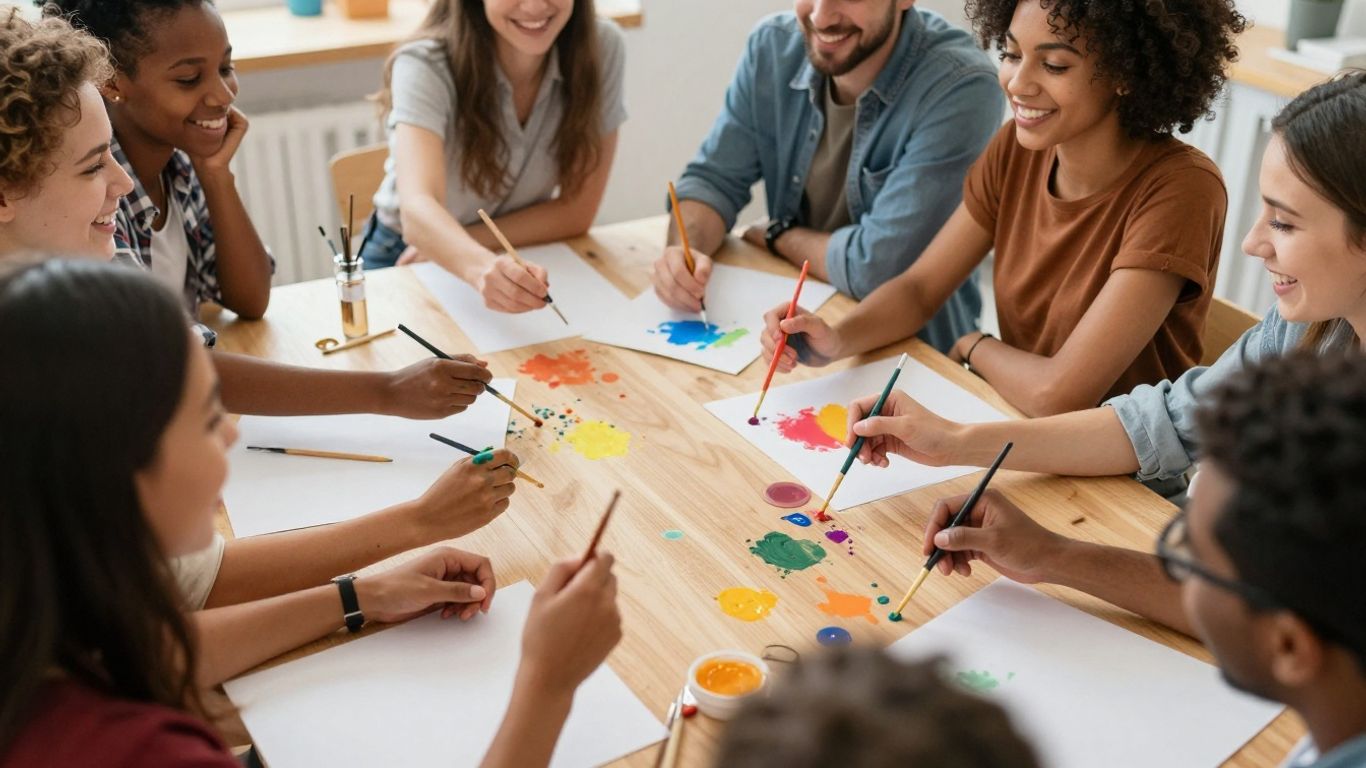
Creative arts offer a wonderful way for everyone to express themselves and explore their feelings. These activities are great for building confidence and finding new ways to communicate. They can be a lot of fun, too!
Inclusive Art Workshops
Art workshops can be adapted for all abilities. Think about painting, drawing, or even sculpture. Many registered NDIS providers offer these kinds of sessions. They often have special tools and techniques to make art accessible. You might find workshops that focus on sensory art, using different textures and materials. Or perhaps a group session where everyone works on a large mural together. It's all about the process and enjoying making something.
Music Therapy and Group Singing
Music has a powerful way of connecting people. Music therapy uses music to help with emotional and physical well-being. Group singing is a fantastic social activity. It doesn't matter if you can hold a tune; the joy is in participating. Many community centres have accessible singing groups. Some registered NDIS providers also run music therapy sessions tailored to individual needs.
Drama and Storytelling Activities
Acting out stories or creating your own can be incredibly freeing. Drama activities help with communication skills and building empathy. You can explore different characters and situations in a safe space. Storytelling circles are another great option, where everyone gets a chance to share a tale. These activities often focus on participation and imagination rather than performance. Look for local theatre groups or community programs that advertise inclusive sessions.
Technology-Based Activities for People With Disabilities
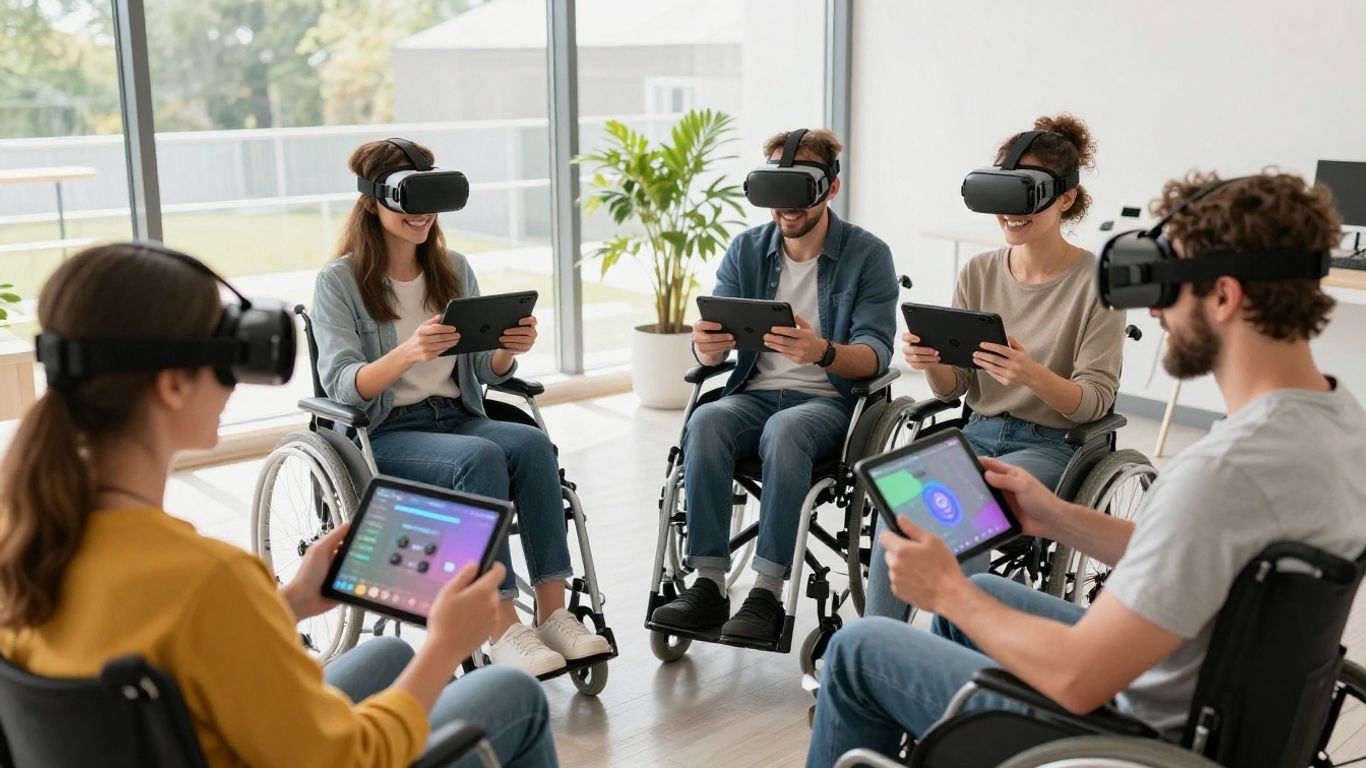
Technology opens up a world of fun and learning for everyone. It can make activities more accessible and create new ways to connect and play. Let's explore some exciting tech options.
Assistive Gaming and Virtual Reality
Gaming isn't just for kids anymore. Many video games are now designed with accessibility in mind. This means features like adjustable controls, clear visual cues, and customizable audio settings. Some games even have options for players who use assistive devices. Virtual reality (VR) offers immersive experiences that can transport you to different places. Imagine exploring a historical site or a beautiful natural landscape from your own home. VR can be a great way to experience things that might be difficult to access otherwise.
Accessible Online Learning
Learning new things is always a good idea. The internet is full of courses and resources on almost any topic you can think of. Many platforms offer features that make learning easier. This can include closed captions for videos, screen reader compatibility, and adjustable text sizes. You can learn a new language, pick up a new hobby, or even take a university-level course. It's a flexible way to gain knowledge at your own pace.
Social Connections Through Technology
Staying connected with friends and family is important. Technology makes it easier than ever to keep in touch. Video calls allow you to see and talk to loved ones, no matter the distance. Social media platforms can help you find groups with shared interests. There are online communities for almost everything, from book clubs to support groups. These digital spaces can help reduce feelings of isolation and build new friendships. Some registered NDIS providers also offer support to help you get set up with these technologies.
Community Events That Welcome Everyone
Finding community events where everyone feels welcome can make a big difference. These gatherings are designed to be inclusive, so people of all abilities can join in the fun and connect with others. It's all about creating spaces where everyone belongs.
Inclusive Festival Experiences
Festivals can be amazing, but sometimes they're hard to enjoy if you have specific needs. Many festivals now focus on being more accessible. This means looking at things like quiet zones for sensory overload, accessible viewing platforms for parades, and clear pathways for wheelchairs or mobility aids. Some festivals even have sign language interpreters or audio descriptions available. Attending an inclusive festival means you can experience the excitement without the worry.
Accessible Community Fairs
Community fairs are often a hub for local information and fun. When they're designed with accessibility in mind, they become even better. Think about fairs that have ramps, accessible restrooms, and seating areas. You might find information booths from local disability support services, including registered NDIS providers. These fairs are a great place to learn about what's available in your area and meet new people. Lucas DD's Annual Inclusion Resource Fair is a good example of an event focused on connecting people with resources.
Group Volunteering for All Abilities
Volunteering is a fantastic way to give back and feel connected to your community. Many organizations are looking for volunteers and are happy to make accommodations. This could mean tasks that are suitable for different physical abilities or providing support to ensure everyone can participate safely. Volunteering together can also be a great way to build friendships and a sense of shared purpose. It's a chance to contribute and be part of something meaningful.
Fitness and Wellness for Every Body
Getting active is good for everyone, and there are lots of ways to do it that work for people with disabilities. Finding the right activity can boost your mood and your physical health. It's all about finding what feels good and what you enjoy.
Adaptive Yoga and Meditation
Yoga and meditation can be really calming and good for your body. Adaptive yoga means the poses are changed to fit different needs. You might use chairs, straps, or other props to help you get into the poses safely. It can help with flexibility, strength, and stress relief. Meditation is about focusing your mind, which can also be very helpful for mental well-being. Many places offer classes specifically for people with disabilities, sometimes through a registered NDIS provider.
Seated Fitness Classes
If moving around a lot is difficult, seated fitness classes are a great option. These classes focus on exercises you can do while sitting down. You can work on your arms, legs, and core strength without needing to stand. It's a good way to get your heart rate up and build muscle. These classes are often found at community centers or gyms that are welcoming to everyone.
Water Activities With Support
Water can be very supportive for movement. Activities like swimming or water aerobics can be fantastic for building strength and improving balance. The buoyancy of the water takes pressure off your joints, making it easier to move. Many pools have special equipment like lifts or ramps to help people get in and out of the water safely. Some programs are designed with support in mind, making it a comfortable experience for all participants. You can find places like Waco Adapt that focus on inclusive fitness.
Social Clubs and Group Gatherings
Connecting with others is a big part of feeling good. Social clubs and group gatherings offer a great way to meet new people and share experiences. These groups are designed for everyone to join in and have a good time together.
Accessible Book Clubs
Love to read? An accessible book club is a fantastic place to discuss stories and characters. Many clubs offer books in different formats, like large print or audiobooks, so everyone can participate. You can share your thoughts on the latest read and hear what others think. It's a relaxed way to make friends who enjoy the same books.
Inclusive Movie Nights
Watching movies with friends can be a lot of fun. Inclusive movie nights make sure everyone can enjoy the show. This might mean having audio descriptions for those who are blind or low vision, or captions for people who are deaf or hard of hearing. Some venues might also have quiet spaces available. It’s a chance to relax and enjoy a film together.
Peer Support and Friendship Groups
Sometimes, just talking with people who understand your experiences can make a big difference. Peer support groups bring people together who share similar life journeys. These groups are informal and friendly. They provide a safe space to share stories, offer advice, and build lasting friendships. You can find groups focused on specific interests or general support. A registered NDIS provider can often help you find local groups that fit your needs.
Everyday Life Skills and Fun at Home
Learning new skills and having fun at home can be really rewarding. These activities focus on practical life skills and enjoyable hobbies that can be adapted for everyone. Making everyday tasks easier and more enjoyable is the goal.
Cooking Classes for All Abilities
Cooking is a great way to build independence and creativity. Classes can be adapted to suit different needs, whether it's using adaptive utensils or having modified workstations. You can learn to prepare simple meals or explore more complex recipes. Some registered NDIS providers offer cooking programs designed for people with disabilities. These programs often focus on safety in the kitchen and building confidence with food preparation. It's a chance to try new foods and share meals with others.
Gardening With Adaptive Tools
Gardening can be a peaceful and productive hobby. There are many adaptive tools available that make gardening accessible. Think raised garden beds, long-handled tools, or ergonomic grips. These can help with planting, weeding, and harvesting. Even a small balcony can become a green space with the right setup. It’s a wonderful way to connect with nature and see things grow. You can grow your own herbs, vegetables, or flowers.
Creative DIY Projects
DIY projects are a fantastic way to express yourself and create something unique. From simple crafts to more involved projects, there's something for everyone. Think about painting, pottery, scrapbooking, or even building small items. Many projects can be modified. For instance, using larger brushes for painting or pre-cut materials for crafts. These activities can be done individually or as part of a group. Sharing your creations can be a lot of fun too. You can find many ideas for adaptive crafts online, like those shared in storytelling circles.
Adapting activities at home means focusing on what works best for the individual. It's about finding joy and building skills in a comfortable environment. Small changes can make a big difference in participation and enjoyment.
Discover how to make everyday moments at home both useful and enjoyable! From simple chores that teach responsibility to creative games that spark imagination, our section 'Everyday Life Skills and Fun at Home' is packed with ideas. Want to learn more about turning your home into a hub of learning and laughter? Visit our website today for a treasure trove of tips and activities!
Keep the Fun Going!
So, there you have it. Finding activities that everyone can enjoy together is totally doable. It just takes a little thought and maybe trying out a few different things. Remember, the goal is to have a good time and connect with each other. Don't be afraid to ask people what they like or what works best for them. When we make an effort to include everyone, the fun just gets better for all of us. Let's keep exploring and making great memories!
Frequently Asked Questions
What kind of outdoor activities are good for people with disabilities?
There are lots of fun outdoor things to do! You can explore parks with paths made for wheelchairs, try sports that are adapted for different needs, or go for nature walks with special equipment to help you move around. The goal is to enjoy the fresh air and nature together.
How can people with disabilities get involved in art and music?
Art and music are great ways to show what you feel and think. Many places offer art classes made for everyone, where you can paint, draw, or sculpt. Music therapy sessions and group singing are also wonderful for expressing yourself and connecting with others. Drama and storytelling can also be a blast!
Are there technology-based activities that people with disabilities can enjoy?
Absolutely! Technology opens up a world of possibilities. You can play video games designed to be used by people with different abilities, explore virtual worlds, take online classes on subjects you're interested in, and use technology to stay in touch with friends and family.
What makes a community event inclusive?
An inclusive event is one where everyone feels welcome and can join in. This means things like festivals and fairs have ramps, quiet spaces, and activities that people of all abilities can participate in. Group volunteering is also a fantastic way for everyone to contribute and feel like part of the community.
How can people with disabilities stay active and healthy?
Staying active is important for everyone! There are special yoga and meditation classes, fitness sessions that can be done while seated, and water activities like swimming that offer great exercise with support. The key is finding activities that feel good and are safe for you.
What are some social activities that are good for people with disabilities?
Connecting with others is super important. You can join book clubs where everyone can share their thoughts on stories, enjoy movie nights with accessible features, or participate in groups where people can share experiences and build friendships. It's all about finding your community and having a good time together.